
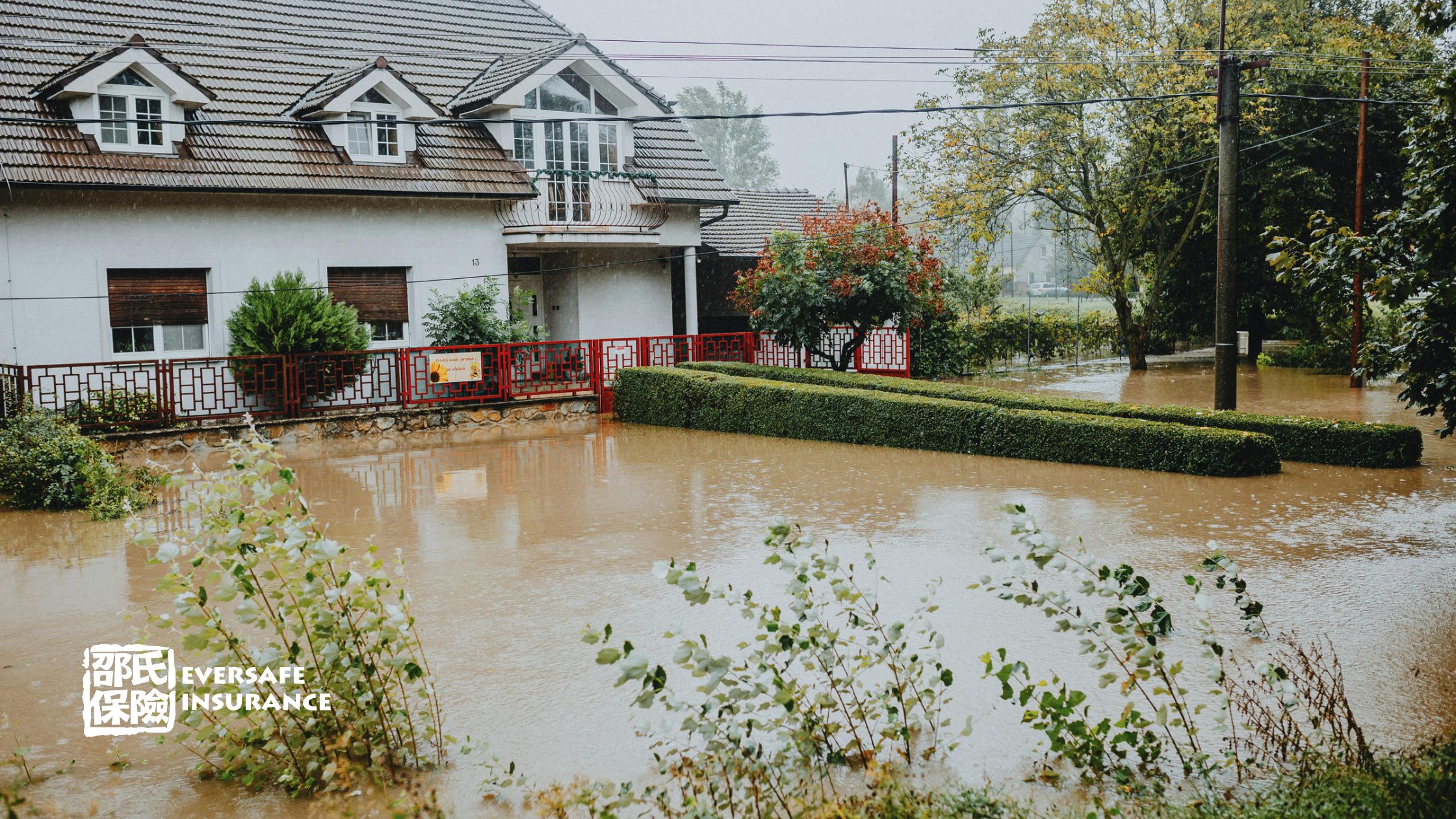
California's rainy season can bring more than wet roads and cloudy skies. Heavy rainfall can contribute to roof leaks, water intrusion, fallen trees, flooding, and other property damage. For homeowners, preparing before the first major storm can be just as important as making physical repairs around the house.
Reviewing your Home Insurance California coverage before rainy weather arrives can help you understand what your policy covers, identify potential gaps, and avoid surprises if you need to file a claim.
Here are several steps California homeowners can take before the rainy season begins.
Review Your Homeowners Insurance Policy
Start by getting a current copy of your homeowners insurance policy and declarations page. Look at your coverage limits, deductibles, covered perils, and exclusions.
The California Department of Insurance recommends that homeowners review their policies and understand which types of water damage are covered or excluded.
Pay particular attention to coverage for:
- Your home's structure
- Other structures, such as detached garages or sheds
- Personal belongings
- Personal liability
- Additional living expenses
- Water damage
- Your policy deductible
If you are unsure what a particular provision means, contact your insurance professional before a storm occurs.
Understand the Difference Between Rain Damage and Flood Damage
One of the most important things to understand about Home Insurance California policies is that not all water damage is treated the same way.
A standard homeowners policy generally does not cover flood damage. However, it may cover certain types of water damage caused by a covered event. For example, the California Department of Insurance notes that rain entering through a roof opening or broken window may be covered when the opening was caused by wind or another covered peril.
Flood insurance is generally purchased separately. Flooding can involve water accumulating on or running over normally dry land and may result from heavy rainfall or other sources.
Understanding this distinction before the rainy season can help you determine whether additional flood protection is appropriate for your property.
Consider Whether You Need Flood Insurance
Don't assume that living outside a traditionally high-risk flood area means your home has no flood risk.
The California Department of Insurance encourages residents—including those in traditionally low-risk areas—to assess their flood exposure. Standard homeowners insurance typically excludes flood, mudslide, debris flow, and similar disasters.
If you are considering flood insurance, plan ahead. Depending on the policy and circumstances, a waiting period may apply before coverage becomes effective. The California Department of Insurance notes that a 30-day waiting period generally applies to flood insurance policies.
An insurance professional can help you evaluate your home's location and determine whether flood insurance deserves a place in your overall risk-management plan.
Check Your Roof, Gutters, and Drainage
Insurance is only one part of rainy-season preparation. Maintaining your home can help reduce the likelihood of preventable damage.
Before heavy rain arrives:
- Inspect your roof for missing or damaged shingles or tiles.
- Clean gutters and downspouts.
- Make sure downspouts direct water away from your home's foundation.
- Check windows and doors for potential water intrusion.
- Look for existing leaks or signs of moisture.
- Clear leaves and debris from drainage areas.
- Inspect trees for damaged or unstable branches.
Keep records of significant maintenance and repairs. Photos and receipts may also be useful documentation if you later need to establish the condition or value of damaged property.
Create a Home Inventory
Rainy-season preparation is also a good opportunity to update your home inventory.
Document valuable belongings with photographs, receipts, purchase records, or other information that can help establish their value and ownership. Include electronics, furniture, appliances, clothing, tools, sports equipment, and other significant possessions.
The California Department of Insurance recommends keeping records such as receipts, bills, and photographs to help establish the value and age of damaged belongings after a loss.
Store digital copies somewhere that remains accessible if your home becomes temporarily uninhabitable.
Review Your Deductible and Coverage Limits
Knowing your deductible before a storm is important. A deductible is the amount you are generally responsible for paying toward a covered loss before the insurer pays the remaining covered amount, subject to policy terms.
Also review whether your dwelling coverage is sufficient to help rebuild your home after a covered loss. Construction costs, renovations, additions, and other changes may affect your coverage needs.
Eversafe Insurance Agency recommends reviewing homeowners insurance after major changes, such as renovations, roof replacements, room additions, or solar panel installations.
Know What to Do If Your Home Is Damaged
If a storm damages your home, document the damage as soon as it is safe to do so. Take photographs and videos, keep receipts for reasonable emergency expenses, and notify your insurance company promptly.
Do not ignore an obvious leak. The California Department of Insurance advises homeowners to take immediate steps to find and stop leaks at their source when possible.
Your insurance agent can also help you understand the claims process and connect you with the appropriate carrier resources.
Get Your Home Insurance Ready Before the Storm
Preparing your home before the rainy season can help you address maintenance issues, understand your coverage, and identify potential insurance gaps before you need to make a claim.
Eversafe Insurance Agency provides personalized homeowners insurance guidance to individuals and families in California. The agency helps homeowners compare coverage options and understand protection for your homes, belongings, liability, and additional living expenses.
Don't wait until the next storm to discover a coverage gap. Call Eversafe Insurance Agency at (626) 821-4900 to review your Home Insurance California coverage and discuss options that fit your home and needs.
Frequently Asked Questions (FAQs)
Does California homeowners insurance cover rain damage?
It depends on how the damage occurred and the policy terms. Certain rain-related damage may be covered when it results from a covered event, while flood damage is generally excluded.
Does homeowners insurance cover flooding from heavy rain?
Standard homeowners insurance generally does not cover flood damage. Separate flood insurance may be available.
Should I buy flood insurance before rainy season?
If your property has flood exposure, consider discussing coverage before the rainy season. Flood policies may have a waiting period before coverage begins.
Should I update my homeowners policy after a renovation?
Yes. Remodeling, additions, roof replacements, and other improvements can change your home's value and insurance needs.